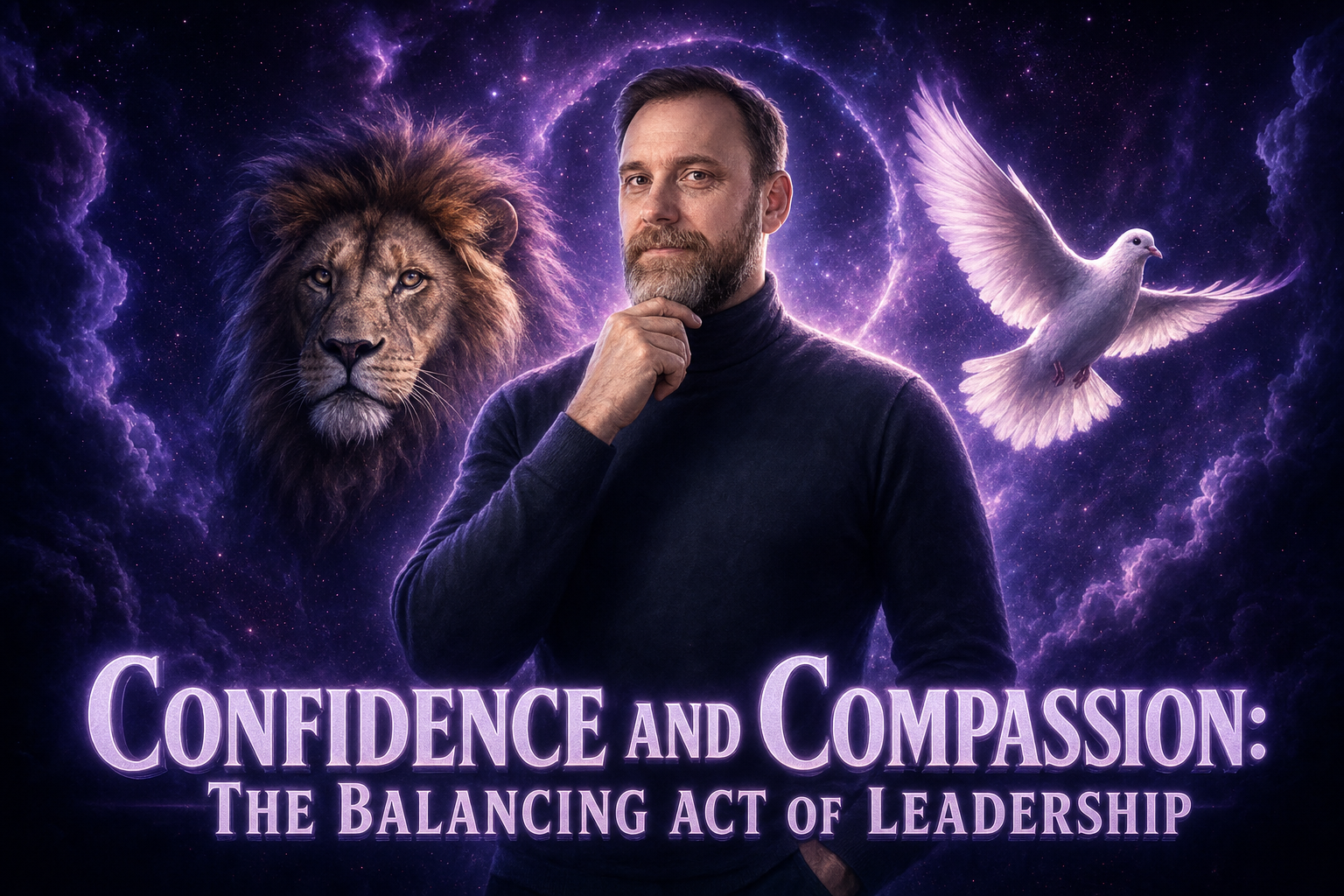
The Courage to Confront
It's crucial to be courageous because courage allows you to handle conflict. Without it, you might slip into dishonesty to avoid confrontation. I've been there myself, telling small lies to dodge uncomfortable situations, like promising to finish something in a week and failing to deliver. This cycle of avoidance only breeds more dishonesty.

Confidence vs. Compassion
Confidence is essential, but it's dangerous when it overshadows compassion. As Jordan Peterson points out, tyrants—those who lead without compassion—often meet their downfall. Their followers eventually turn against them, because tyranny breeds resentment.
To lead effectively, your confidence must be balanced with compassion. If you exert power without empathy, you'll create a toxic environment where others feel oppressed. History shows us that tyrants who fail to balance these traits are often overthrown or live in constant fear of rebellion.
Learning from History and Religion
History is filled with examples of tyrants who were overthrown. If there's no opportunity to remove a tyrant, they may die of old age, only for another tyrant to take their place. This cycle continues until someone chooses to lead with a balance of confidence and compassion.
Even religious figures like Jesus Christ of Nazareth exemplify this balance. Despite facing adversity, he maintained compassion, never allowing the actions of others to dictate his behavior. This is a lesson in maintaining compassion, regardless of how others treat you.
The Beast Within
We all have a monster inside—a part of us that prioritizes self-preservation. This beast can be dangerous if left unchecked. However, it can be tamed with compassion. Confidence creates the beast, but compassion keeps it in check. This balance is what makes a leader trustworthy and respected.

Personal Example: Confronting a Parking Issue
For years, I've dealt with people parking illegally in front of my townhome. I avoided confrontation, allowing it to stress me out. But recently, I chose to address the issue with my community leaders, who agreed to put up signs to prevent illegal parking. This required courage and confidence, but also compassion, as I approached the situation understanding the neighbors' perspective.
In doing so, I realized the importance of holding people accountable while maintaining compassion. It's not wrong to confront issues when you're in the right, especially when it's done with empathy.
Conclusion
Ultimately, the message is clear: awaken your inner confidence, but tame it with compassion. This balance is crucial for effective leadership. Ask yourself, what kind of leader do you want to be? Are you courageous enough to stand for what's right, even if it leads to confrontation? Ensure you're right before taking a stand, and always remember to lead with compassion.
I'm Jeffrey Long. Thanks for listening.